Research with Undergraduates
The only way to teach students how to do research is to do research with them.
I keep undergraduates on my research team year-round. When a student shows interest, I bring them in.
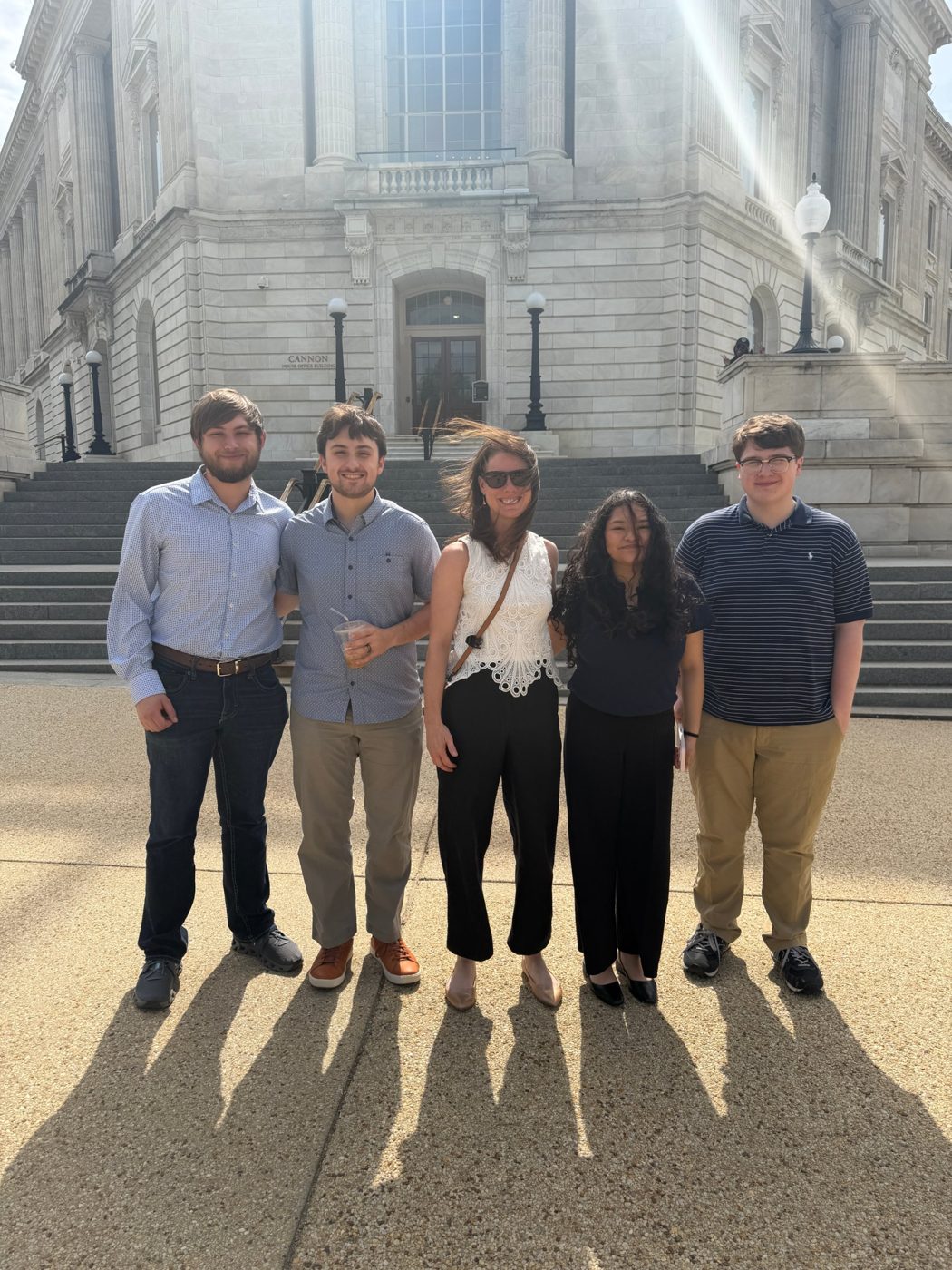
Why I bring students in
Research participation belongs in the curriculum rather than beside it. The usual arrangement hands students knowledge after it has already been produced, which tacitly teaches them that research is something other people do elsewhere. Students who only ever receive conclusions never learn to evaluate one.
My research team is not a reward reserved for the strongest students in the program. None of my students arrived knowing how to do research, and that is precisely the reason to bring them.
This is also a question of access. Students at regional public universities are more likely to be working, commuting, or the first in their families to attend college, and far less likely to be invited into faculty research. They are not less capable of the work. They are less likely to be asked. I ask them.
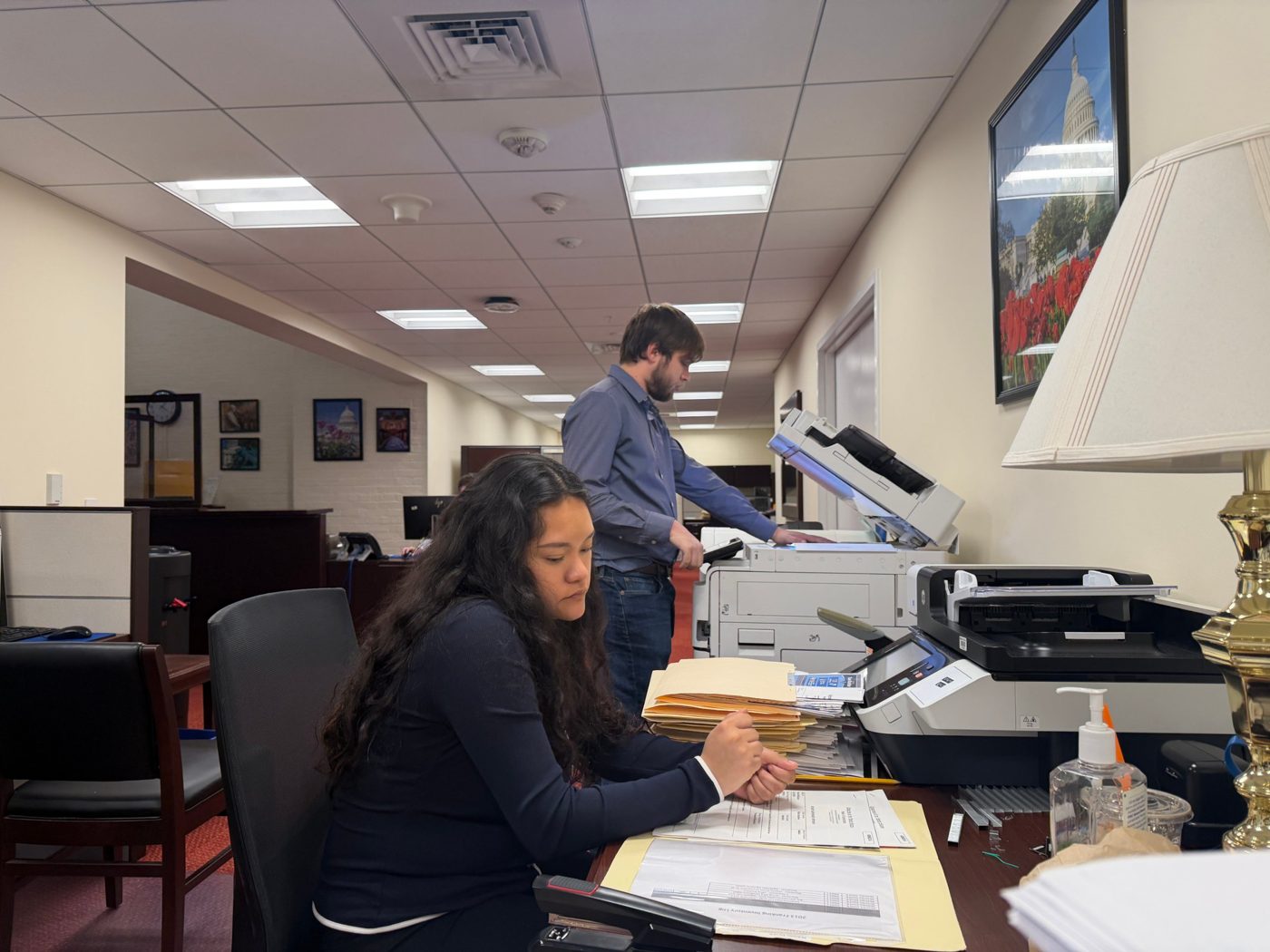
What my students have worked on
Projects from the past two years
Congressional communications archive
Archival collection of the paper records members of Congress file before spending official funds on constituent outreach.
Race, abortion, and Mississippi case law
A doctrinal study of Mississippi case law on race and abortion before and after Dobbs.
Inside congressional offices
Interviews with communication directors for sitting members of the House.
Gut-and-go bills
Research on gut-and-go bills in state legislatures.
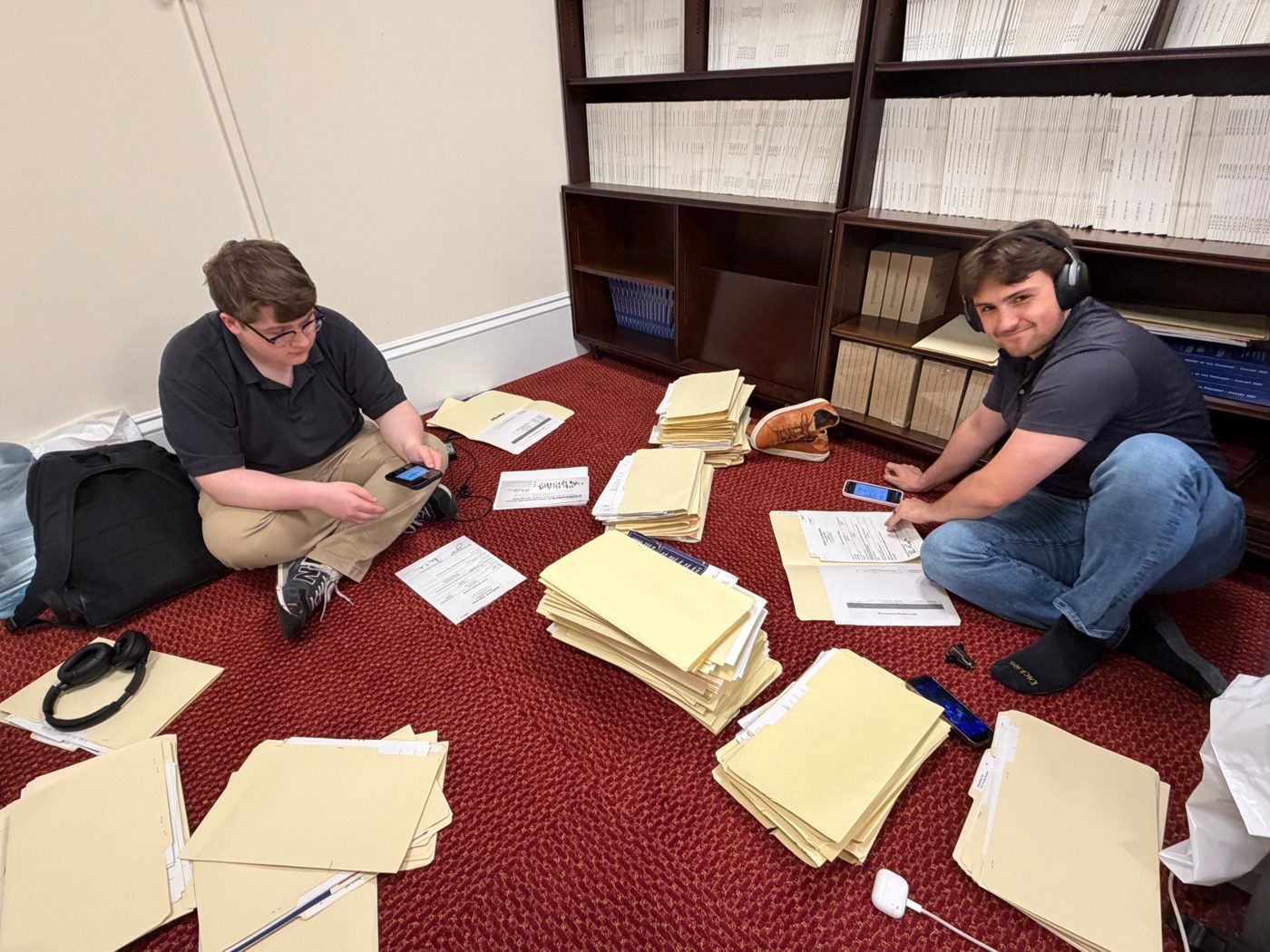
The Congressional Communications Archival Project
10,000+ documents photocopied in one week in Washington, DC
In spring 2026 I began an archival dataset project with Braden Carr, an undergraduate who had approached me about research two years earlier. We traveled to the Legislative Resource Center to collect advisory opinions, the forms members of Congress file before spending franked money. Records before 2018 exist only on paper, which means these public records are not functionally public.
In April 2026 I secured funding to return with a team of four undergraduates, Braden Carr, Yuli Murillo, Logan Principato, and Axton Tackett, with Braden leading the team. The result will be one of the most comprehensive digital records of congressional constituent communication available to researchers.
Braden also won a university Signature Grant and presented a poster at the Midwest Political Science Association.
Invited talkIn March 2026 I made this case at the University of Kentucky’s Martin School of Public Policy and Administration in a talk titled “Question Everything. Then Systematically Test It: Why Undergraduate Research is Worth It.”